



Laboratory Resources
ESS/IPS has continuously invested in enhancing its laboratory resources. These spaces are essential for promoting research, the development of practical classes, and the simulation of clinical contexts. Distributed across the different departments and areas of knowledge, the laboratories serve both undergraduate courses and postgraduate programs, contributing to high-quality academic training, strongly aligned with the demands of professional practice in health and with a commitment to research.
Due to the specialized nature of certain labs, the teachers responsible for them are also specifically assigned.
Nursing Labs
Coordination: Professor Bruno Ferreira (bruno.ferreira@ess.ips.pt)
The main purpose of Nursing laboratories is the training of Nursing students in undergraduate and postgraduate courses in the process of acquiring and developing interpersonal, instrumental, and systemic skills. The laboratories provide a space for reflection, critique, research, and innovation in Nursing practice.
The Nursing laboratories are organized and structured in a way that constitutes an extension of the classroom, allowing the conducting of practical classes and training of Nursing procedures, in approximation to the real world.
The Nursing Department coordinates 4 laboratories:
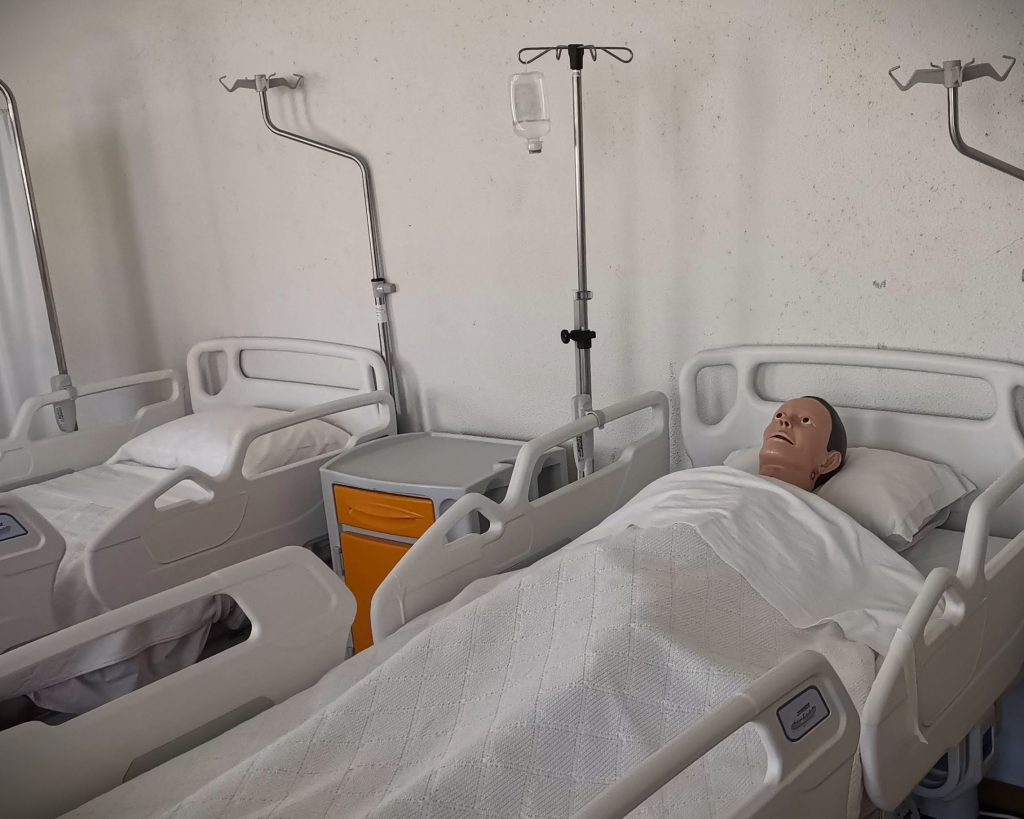
Essentials Nursing Lab – lab B1.07
The Fundamentals II Laboratory also allows for medium and low fidelity simulation, through the creation of clinical context scenarios, enabling the development of psychomotor skills, critical thinking ability, reflection, and the consolidation of theoretical knowledge. This laboratory has the equipment and materials necessary for training in nursing procedure standards such as making an occupied bed, positioning a dependent person, transferring a person, optimizing a gastric tube and urinary catheter, administering a cleansing enema, monitoring vital signs, providing care to a person with a wound, catheterizing venous access, and administering therapy.
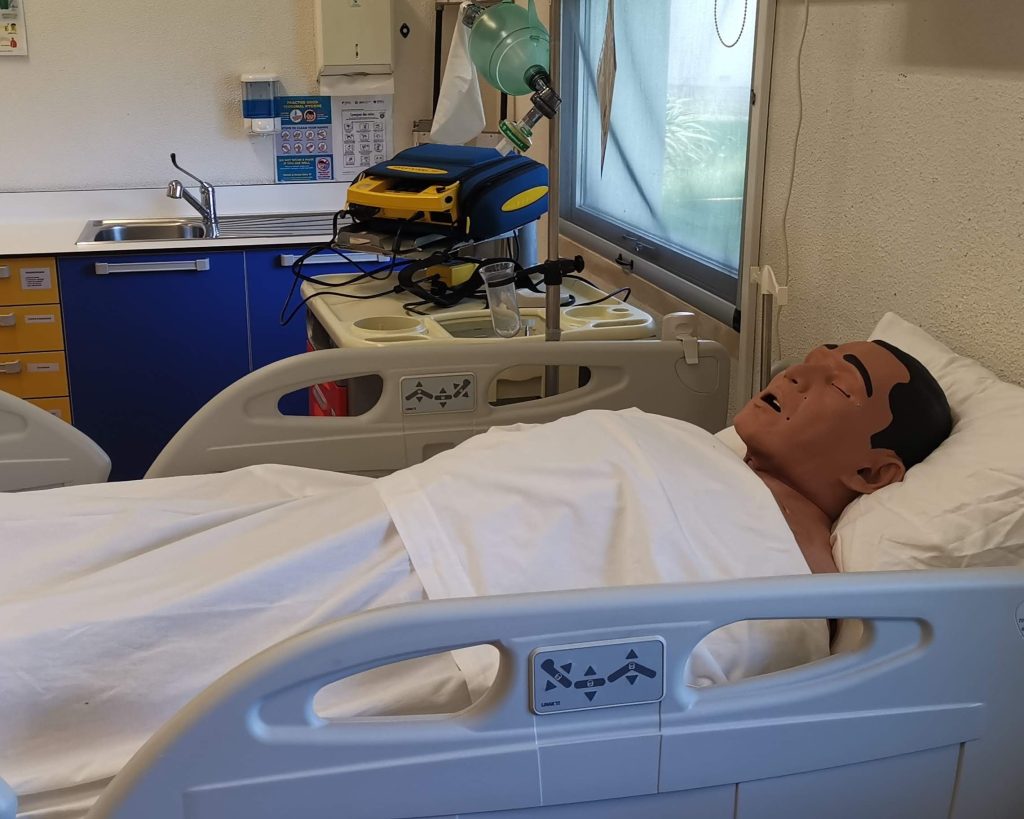
Critical Care Nursing Lab – lab B1.08
At the Critical Care Laboratory, the use of simulation as a teaching-learning method allows the student to acquire the necessary skills when dealing with a person in a critical situation (cardiopulmonary resuscitation maneuvers, trauma situations, intensive care unit, among others). It includes a range of equipment and materials required for practical teaching: a high-fidelity simulator, a cardiac monitor, an automated external defibrillator, the Anne Basic Life Support manikin, the Anne Advanced Life Support manikin, an ageing simulator, a surgical dressing simulator, and more.
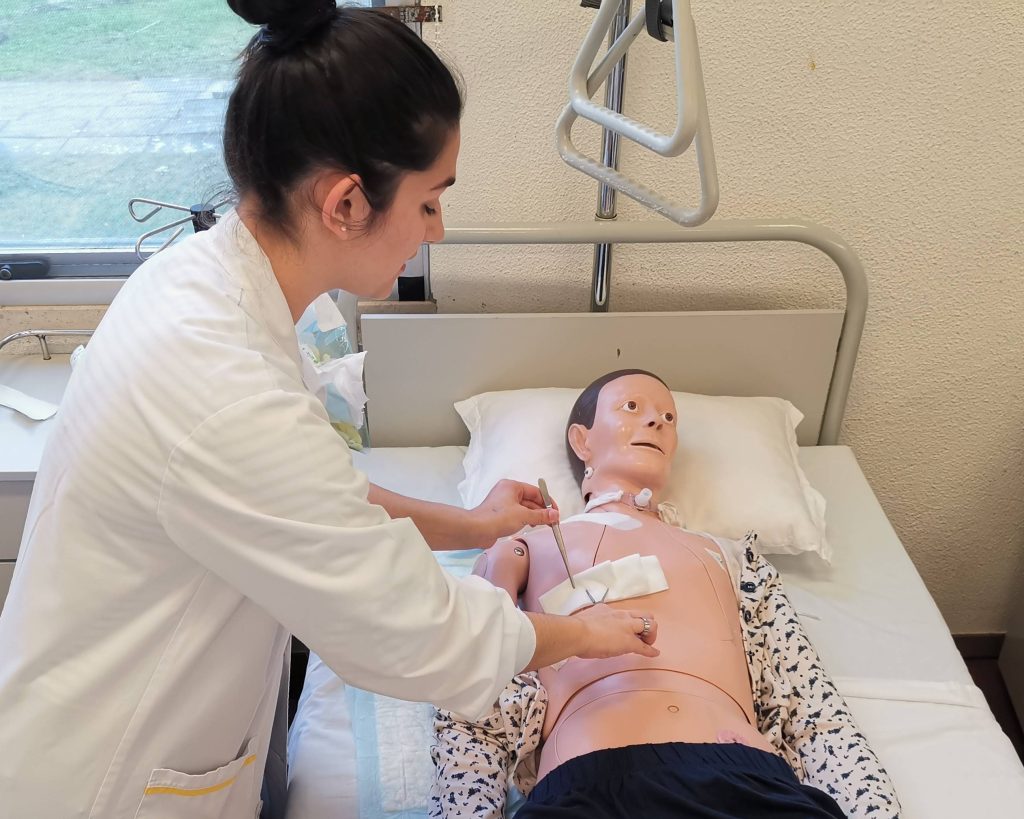
Essentials Nursing Lab – lab B1.12
The Essentials Nursing Lab enables students to recreate a variety of clinical scenarios, helping them to develop critical thinking and reflective skills, consolidate their theoretical knowledge and develop psychomotor skills. This nursing laboratory is therefore equipped with the equipment and materials required for training in nursing techniques and procedures, such as: welcoming patients and their families to the care unit, monitoring vital signs, mobilising, positioning, transferring and lifting patients, training patients to use walking aids, intubation and nasogastric feeding, oxygen therapy, peripheral venous catheterisation, preparation and administration of medication, wound care, and suctioning of secretions, amongst others.
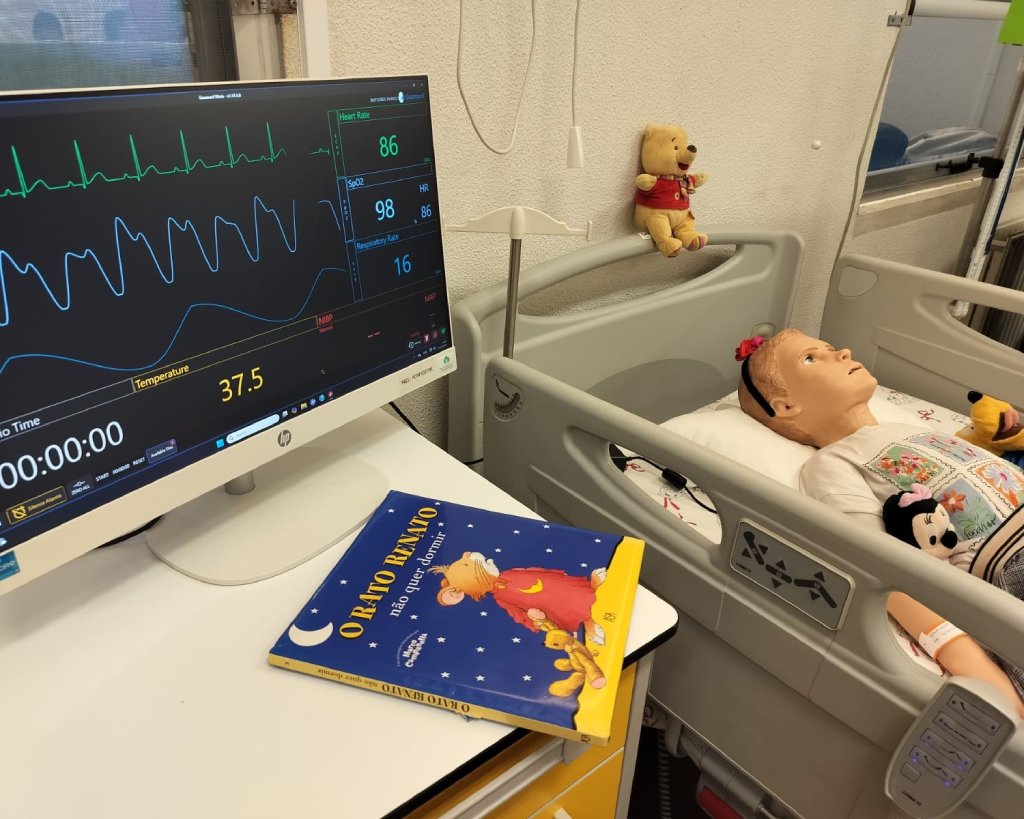
Woman and Child Nursing Lab – lab B1.17dta
The Women’s and Children’s Clinic, which focuses on reproductive health and children’s health from birth through to adulthood, is a dedicated facility that provides planning, the performance of nursing procedures, assessment and the documentation of nursing care specific to the context of maternal, child and adolescent health.
Equipped with a pregnancy simulator, a training model for palpation of the postpartum uterus, a breast self-examination model, baby and child models, a paediatric arm for venipuncture, a high-fidelity paediatric simulator with respiratory, cardiac and vascular support systems, and suitable for Basic Life Support and Advanced Life Support scenarios, amongst other features.
Physiotherapy Labs
Coordination: Professor Margarida Sequeira (margarida.sequeira@ess.ips.pt)
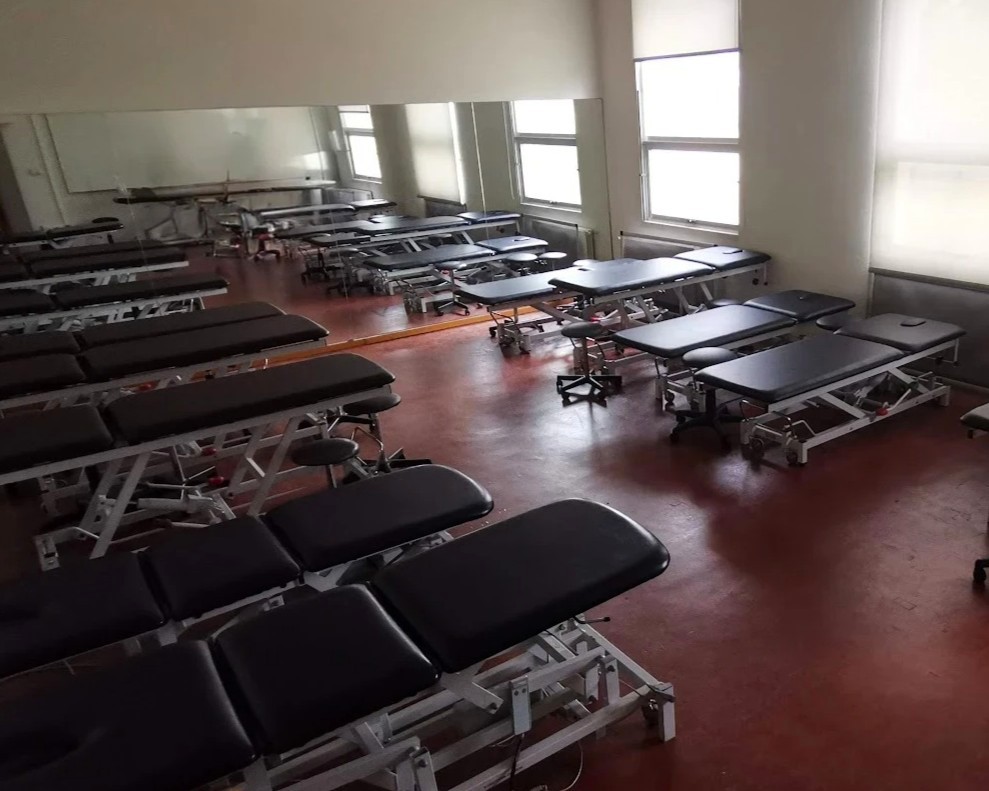
Physiotherapy Lab I e II – Labs B1.06 e B1.15
The Physiotherapy Laboratories I and II are designed and equipped to support the theoretical-practical and practical laboratory sessions for the Bachelor’s and Master’s degree programmes in Physiotherapy. They are fitted with hydraulic and electric treatment tables, as well as all the necessary equipment for students to develop specific skills, both technical and in clinical reasoning. The laboratories and the equipment within them also allow for the simulation of clinical situations and the delivery of practical classes in a real-world setting (with patients), and are also available for individual and independent training by students.
Physiotherapy Lab – lab B1.16
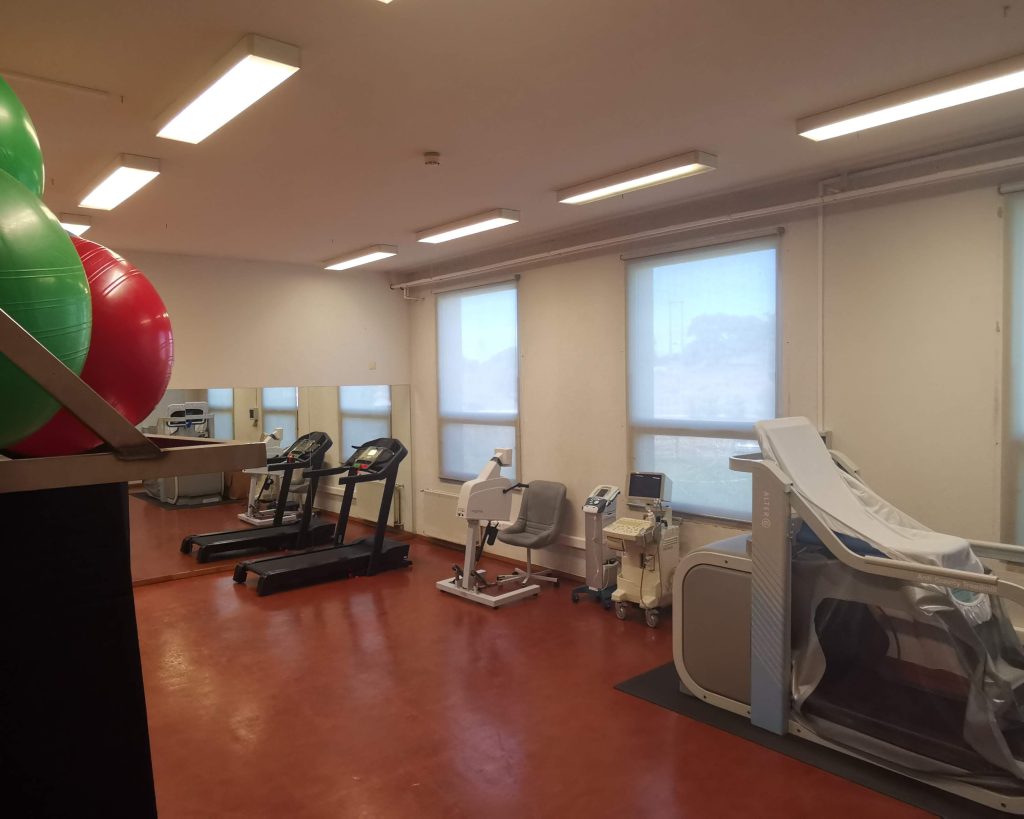
The Movement Therapy Laboratory is a versatile, spacious facility that allows for a wide range of exercises and the simulation of movement therapy classes and sessions. It is equipped with a variety of equipment, including balls, mats of various sizes and thicknesses, mini-trampolines and mirrors, all of which facilitate these simulations. In this laboratory, students develop specific skills for implementing exercise programmes in the community, particularly in relation to chronic conditions. The versatility of the space allows students to use it independently for simulation and training.
Sense&Motion: Pain and Movement Research Lab
Professor in charge: Rita Noélia Silva Fernandes
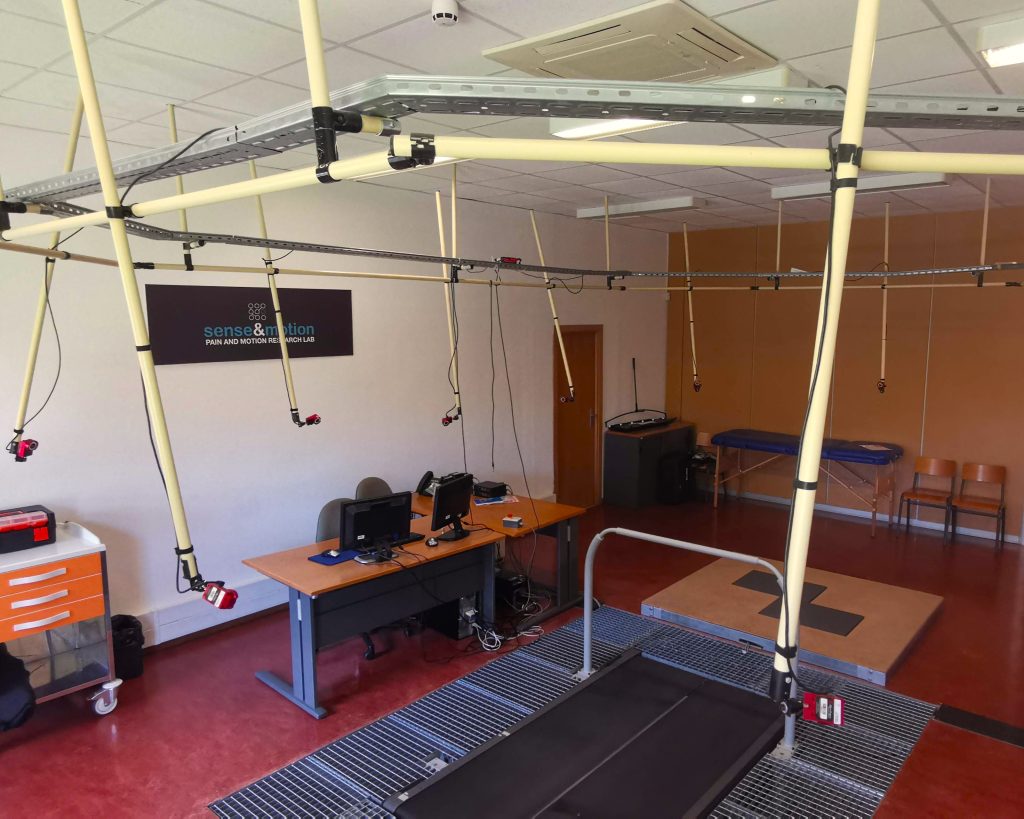
The Sense&Motion laboratory is committed to conducting user-centred research by developing innovative solutions for predicting disease progression and treatment response, with the aim of reducing disability and improving users’ health and quality of life.
The laboratory’s main area of research is the central processing of pain associated with musculoskeletal and rheumatic conditions. To this end, the laboratory employs innovative approaches to the integrated study of sensory, psychosocial and motor factors as the primary drivers of the pain experience. Overall, our aim is to:
1. To understand which patient characteristics (symptoms associated with pain processing in the aforementioned domains) contribute to the progression of pain to chronic pain and disability;
2. To optimise healthcare interventions by identifying the most appropriate intervention for subgroups of individuals with similar characteristics, and determining the optimal timeframe for this intervention to take effect.
To achieve these objectives, the Laboratory is equipped with three motion capture systems that enable 3D kinematic assessment, four force platforms for 3D kinetic assessment, an instrumented treadmill for gait analysis, a surface electromyograph for analysing muscle activity, and various software packages for processing and analysing the data collected from the aforementioned equipment, and Quantitative Sensory Testing, which includes the TSA-II NeuroSensory Analyzer, AlgoMed – Computerised Pressure Algometer and a PinPrick stimulator with contact trigger. In addition, there are various self-completion instruments for assessing pain, psychosocial factors, function and quality of life.
Speech Therapy Labs
Coordination: Professor Marina de Jesus (marina.jesus@ess.ips.pt)
The purpose of speech therapy laboratories is to carry out practical, hands-on teaching activities, as well as research and clinical simulation in the areas of speech therapy practice.
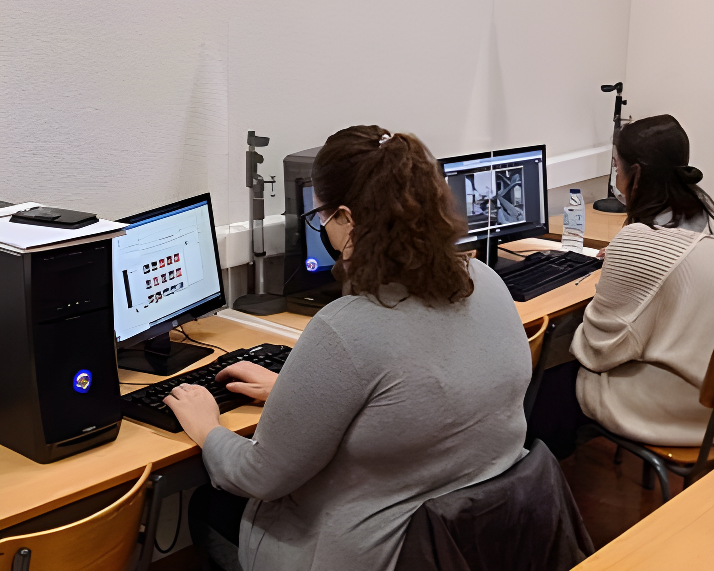
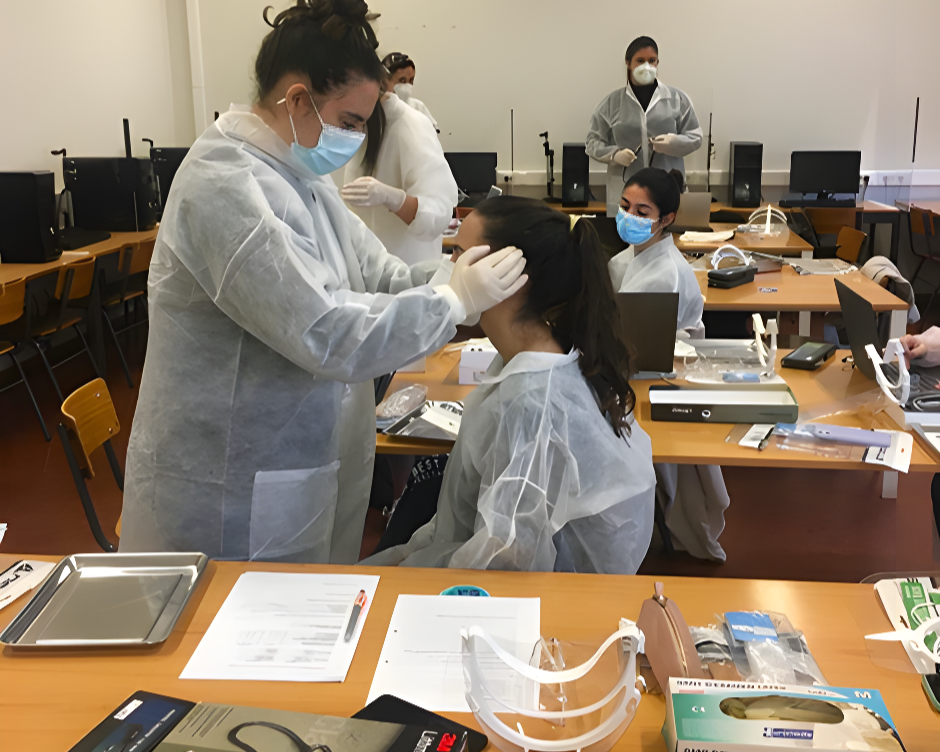
Speech Therapy Laboratories 1 and 2 | Lab B1.18 and lab B1.17 (left)
Professor in charge: Sónia Marina Dias de Jesus Lima
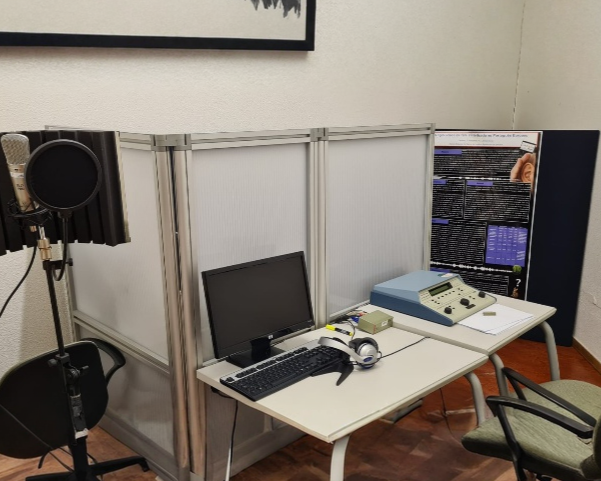
Speech Therapy Laboratories I and II are equipped to support the theoretical-practical and laboratory-based classes of the Bachelor’s degree programmes in Speech Therapy. In these facilities, students develop skills in collecting and analysing assessment data, as well as in planning and intervention in the areas of communication, voice, speech, fluency, language, swallowing and orofacial motor skills. The laboratories are equipped with software for acoustic analysis of voice and speech, language assessment tools and specific teaching materials. In addition, they conduct simulated clinical interviews, client assessments and the application of techniques.
Advanced Vocal Function Laboratory (AVFL) | Lab A2.12
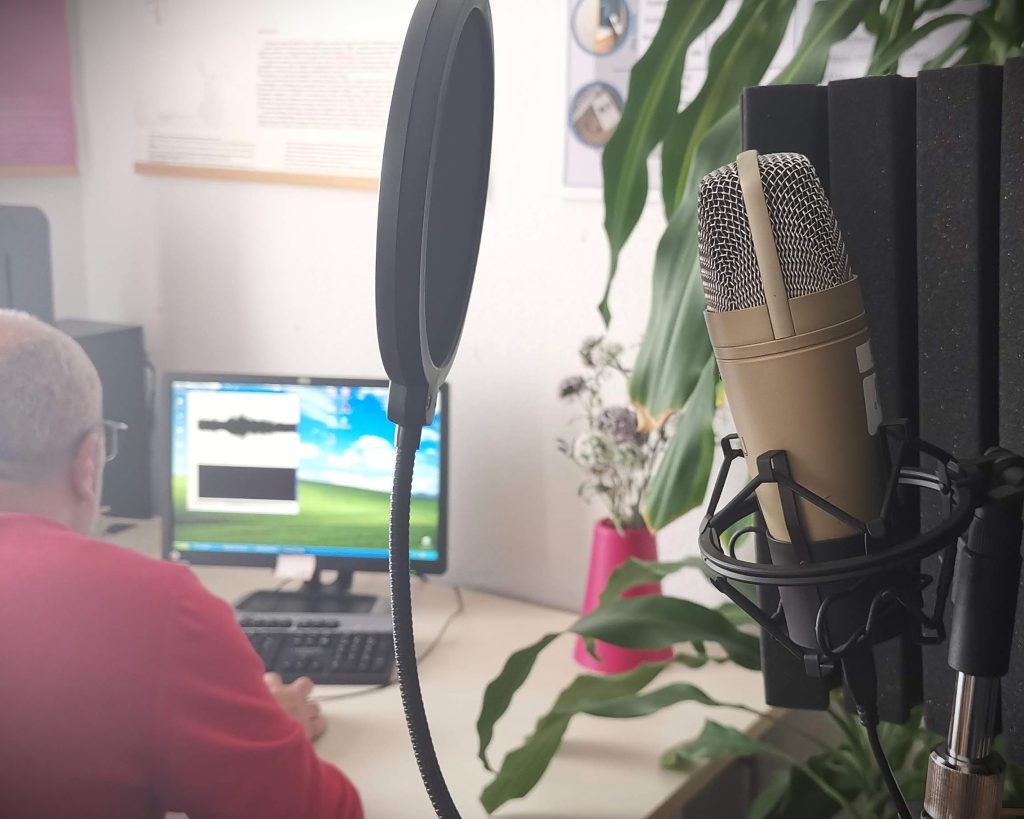
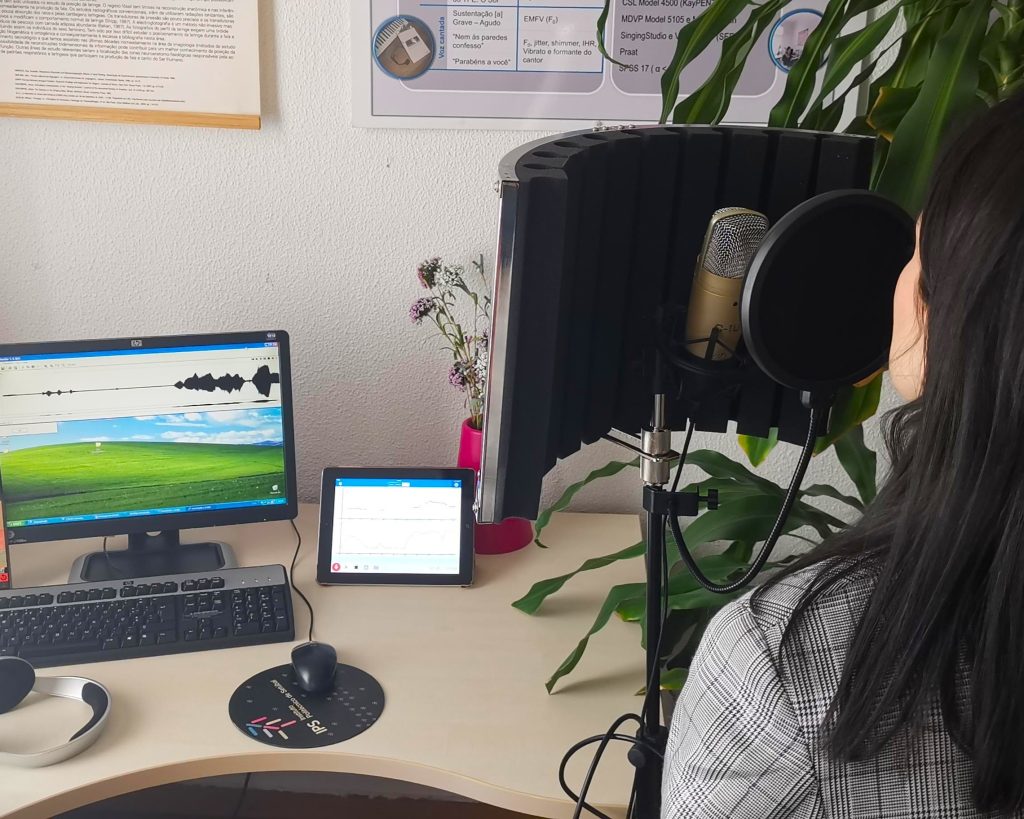
Professor in charge: Ana Paula de Brito Garcia Mendes
LabVoz’s main objectives are to promote research in the fields of Speech Therapy and to expand scientific knowledge. LabVoz’s mission is to carry out activities and projects in the public interest, contributing to the development and transfer of knowledge in the field of voice and related areas through research, innovation and partnerships. LabVoz’s vision is to be a leading centre in the development and transfer of knowledge across the various fields of Speech Therapy, with values centred on learning, innovation, responsibility, credibility, integrity and excellence.
Speech Therapy Teaching Clinic | Room A2.06
Professor in charge: João Miguel Lima Ferreira
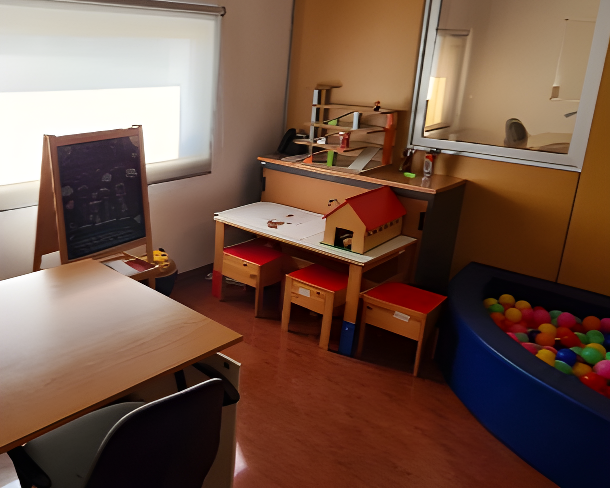
The Speech Therapy Teaching Clinic is a facility designed to support practical training sessions for the modules of the Bachelor’s degree programme in Speech Therapy. It is equipped with a range of assessment and intervention materials in the areas of language, speech, voice and communication, enabling the simulation of a clinical intervention setting. The facility enables simulated or real-life practice (with clients), for both children and adults, and allows sessions to be observed in real time via two-way mirrors. The clinic is equipped with devices for capturing and analysing acoustic and physiological signals, used in both therapeutic intervention and research in Speech Therapy.
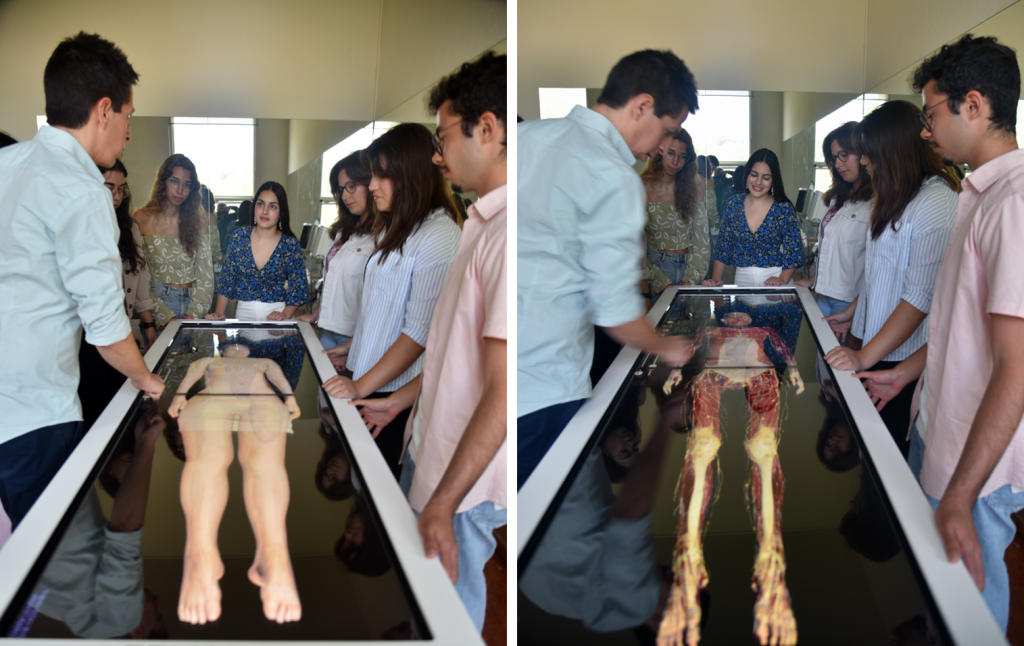
ESS/IPS has an ‘Anatomage’ anatomical table at its disposal to support student learning. This technology is revolutionising the teaching of human anatomy through an interactive 3D digital table. This tool allows for detailed, life-size visualisation of the human body, based on real dissection images, offering an innovative and non-invasive alternative.
It offers significant benefits for teaching on ESS/IPS courses, as it provides an immersive, accurate and interactive learning experience, facilitates the understanding of complex anatomical structures and promotes clinical reasoning through simulations of real-life cases.
ESS/IPS offers state-of-the-art teaching resources, in line with international best practice, which ensure excellence in healthcare education. Innovative equipment, well-equipped laboratories and student-centred teaching and learning methodologies provide a solid, practical and up-to-date education that better prepares students for the challenges of the real world.